
Blog Archives
As part of my attic antenna plans, I built a 2m groundplane antenna. This will ultimately be for an iGate/packet station/digipeater (maybe). I did this with some fairly simple construction out of coat hangers.
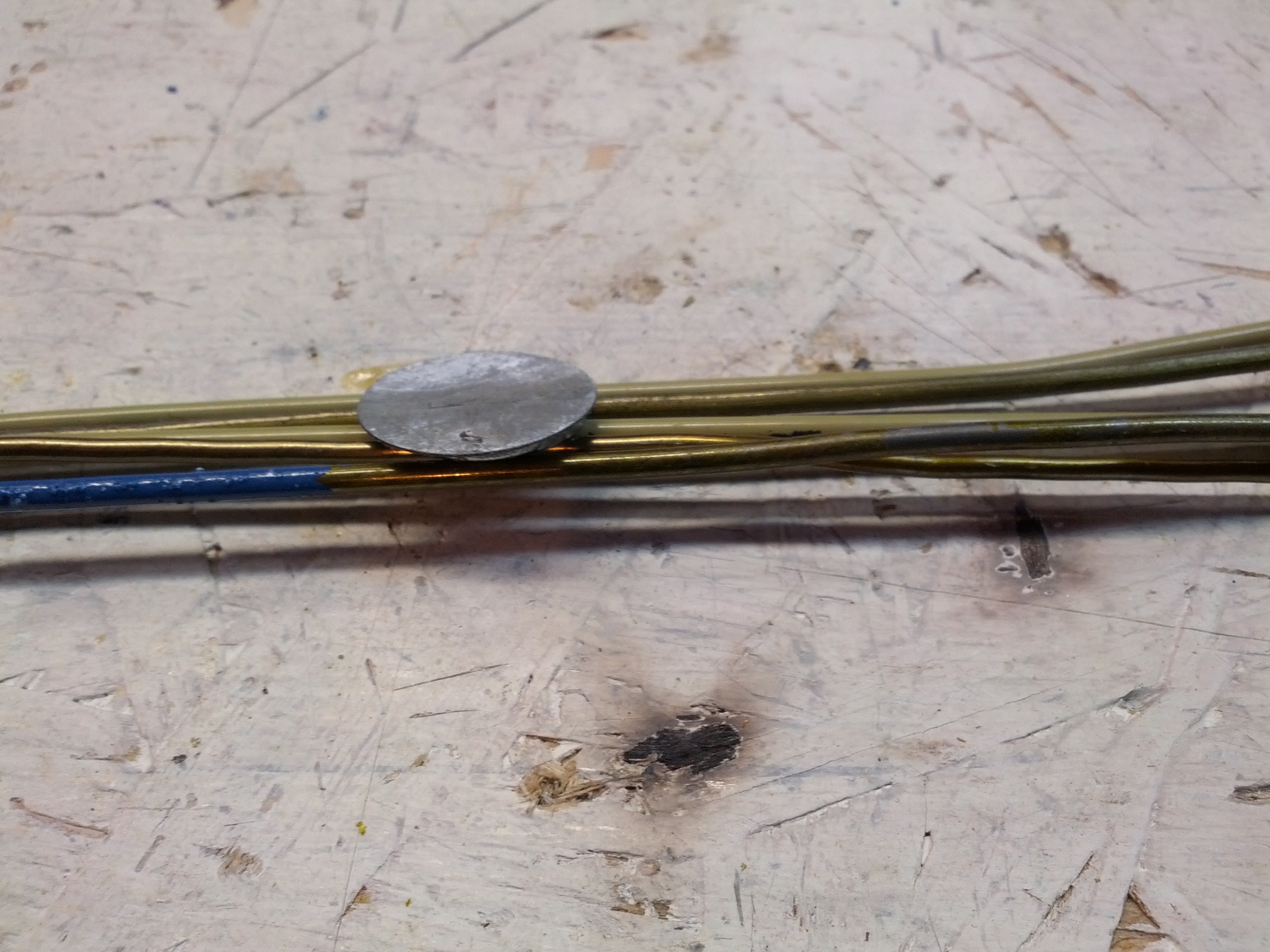
The first thing I did was make sure the hanger pieces weren’t aluminum. I don’t have any aluminum solder, and I don’t plan to get any.
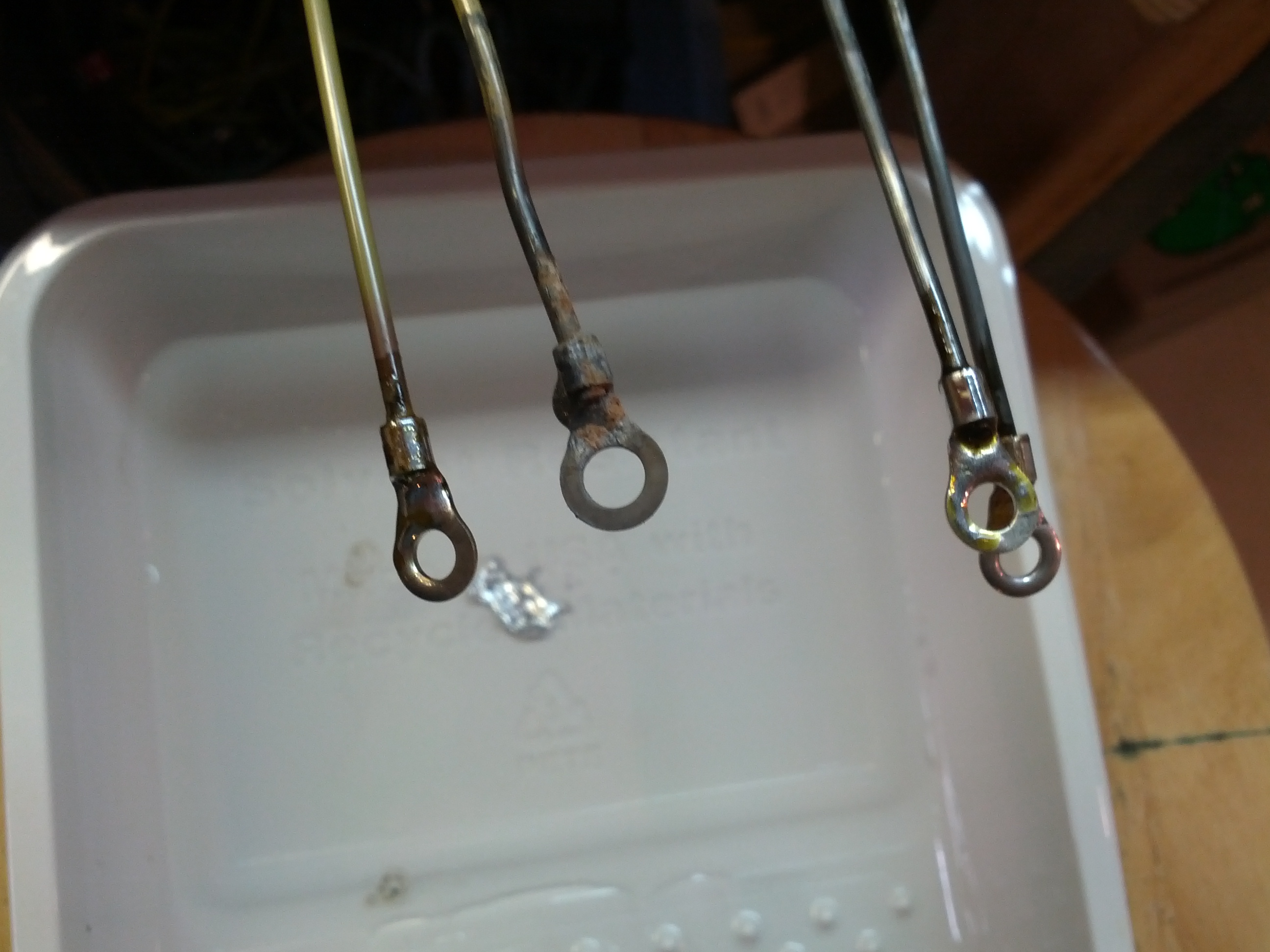
The second thing I did was solder lugs on the ends of the radials. This was, of course, after sanding the ends and brushing flux on them. This was also after taking a small blowtorch to the coating on some of the hangers.
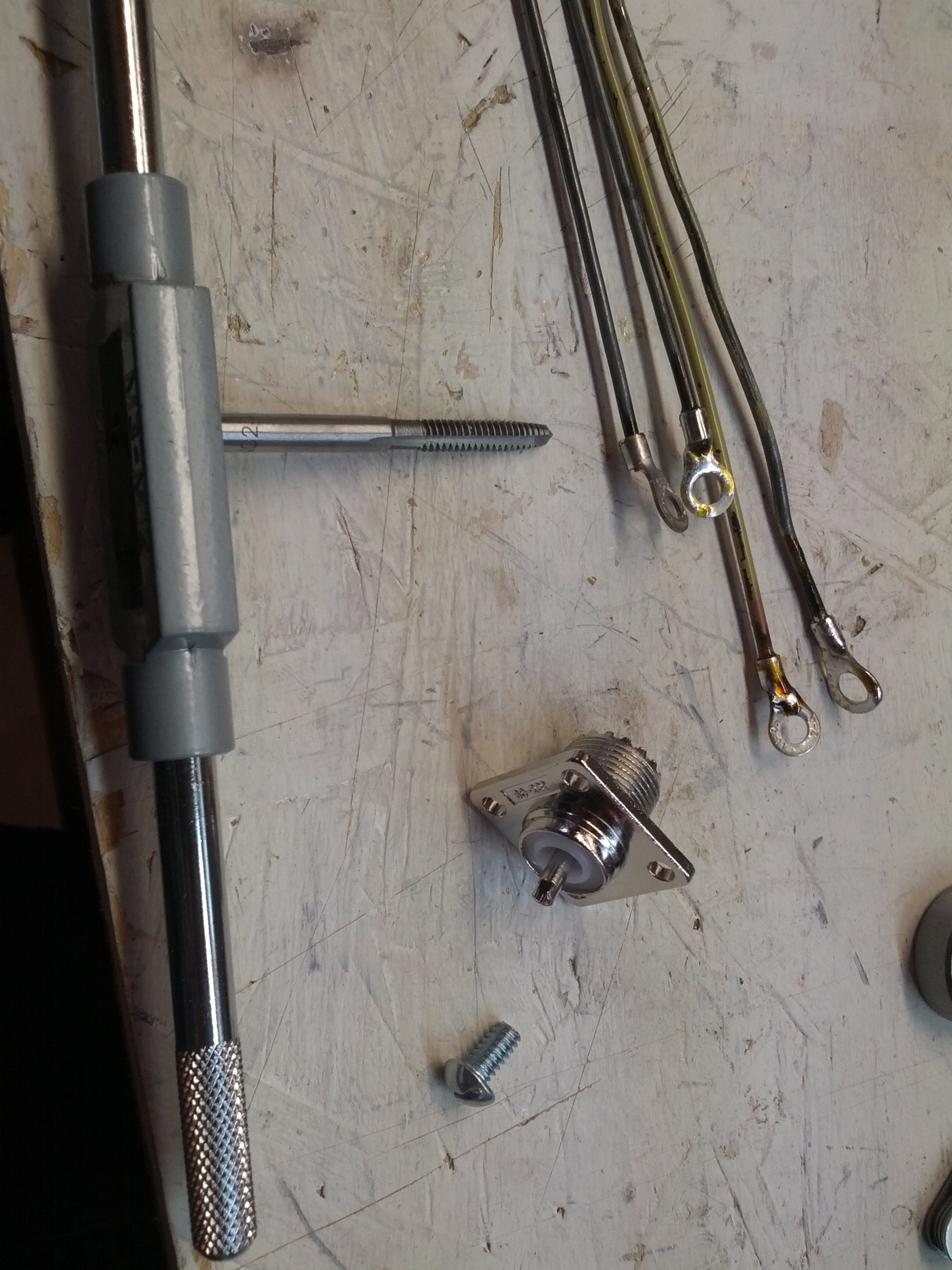
Next, I tapped the screw holes in the PL-259 chassis connector. Once I did that, I attached the radials and soldered the middle.
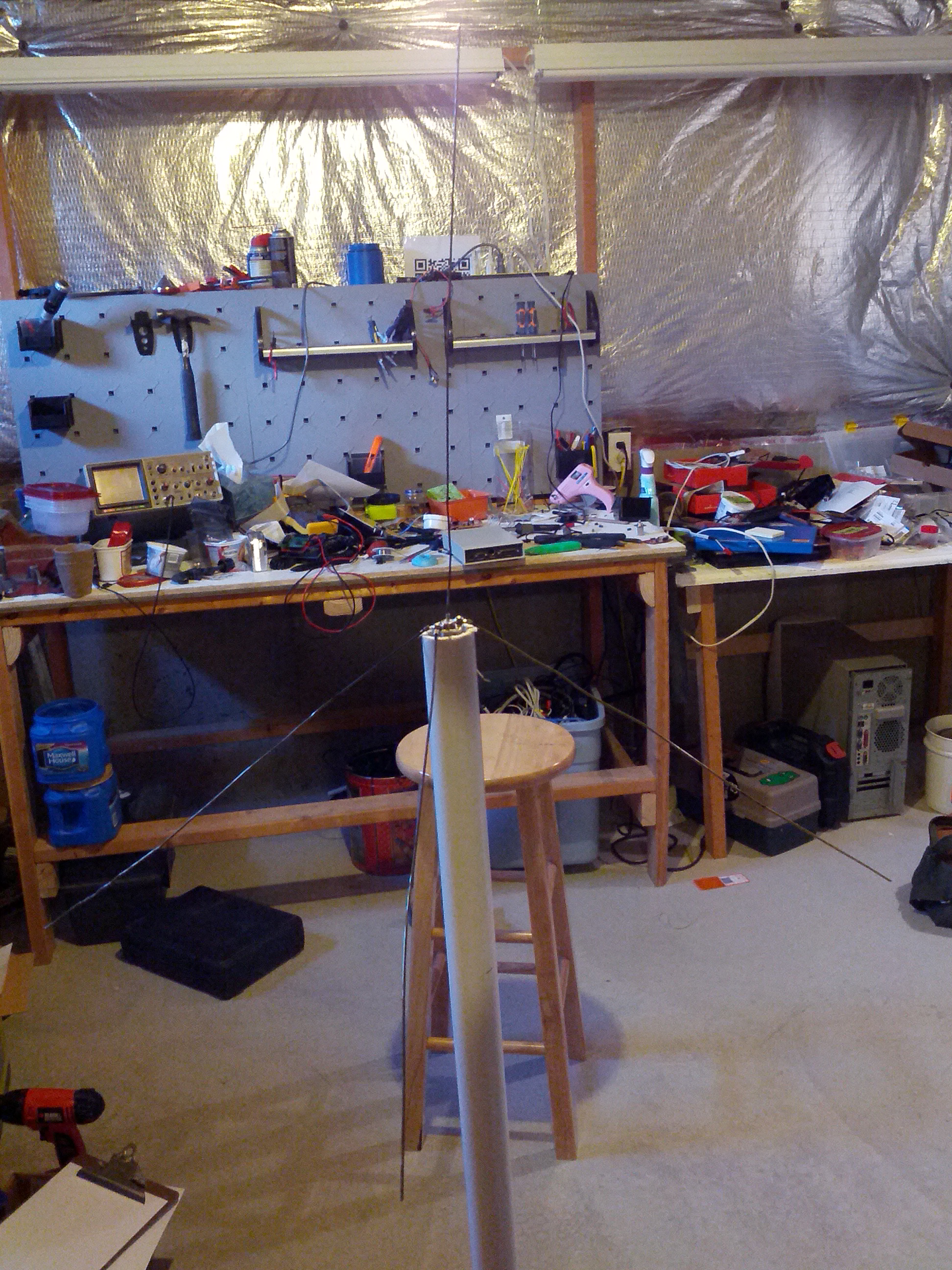
Taking pictures of antennas is not easy!
The SWR at the high end of the 2m band is less than 1.2:1, the low end (around 144.39) is closer to 1.5:1. Both within the acceptable limit (for my radio) of 2:1.
-73-
I gave a presentation to the Cincinnati FM Club on February 6, 2013. This was an update of the presentation I gave to the Milford Amateur Radio Club a while back. This page is a set of links for those that attended or missed the presentation.
Presentation: Introduction to Arduino Microcontrollers
Links Mentioned:
QRPTracker (satellite tracker)
Starter Sets:
Sparkfun: Starter kit ($60), Inventor’s Kit ($95, $100)
Adafruit: Starter Pack ($65), Starter Kit ($125)
NOTE: Look hard at what these packs include! There ARE differences.
Winter and it’s crummy weather has been in the air here in southwest Ohio (unless there was a heatwave when this went to post, I scheduled this one in advance).
I’m doing everything wrong, but I know I’m doing everything wrong so I know what to fix.
The first thing I’m doing wrong is a magnet mount. Mine’s damaging the paint below the magnet. While my truck is 10 years old, it is damn nice for being 10 years old, and I want it to last at least another 10. So the first thing I want to do is permanently mount an antenna to the truck.
The second thing I’m doing wrong isn’t really wrong. I have an FT-1900. I like it, but it is 2m only. I really could use 2m+70cm because some of the public service events I do use a 70cm “suitcase” repeater. Being able to hit that while driving can really help make my life easier. In addition, my main repeater has a cross-link on 70cm, so being able to monitor the cross-link frequency can be pretty useful to help fix problems. Having true dual receive would be great if the Skywarn net activates and I want to listen in on it while talking on my ‘normal’ repeater. Finally, having crossband repeat may sometimes be useful.
A third thing I want to do is start running APRS in my truck. I don’t know what solution I’m going to do, but I’m not going to do something with a lot of power – I’ll probably re-purpose an old HT to do this. But when I do that, I will still want an external antenna. That will also be something I turn on and off (yeah, sometimes I want to make sure I disappear!)
A fourth thing I want to do is run a permanent line for the antenna receptacle in the back of my truck. That receptacle is for hamsticks. I may also install my HTX-100 in my truck,
-73-
I’ve decided that since I have free reign over the attic, I need (and want) an antenna farm up there.
What I Have
Currently, only one antenna exists in the attic: an 80-10m trap dipole. It works pretty well and can be tuned on 160m and 6m, but it is limited in direction.
What I Want
Everything! Well, almost…
Since my dipole lacks the NE and SW parts of the country, I want to build another and place it perpendicular to the current one.
I also want to install 2m and 70cm rigid dipoles (horizontal) on rotators. That will be interesting considering the issues with the roof structure.
Last, I want vertically polarized antennas for 6m, 2m, and 70cm. Sometimes I need those bands. More often, I want those bands.
The Plan
Since I’m talking about three antennas that connect to the HF port of my rig and an additional four for the VHF port, I want to have only two expensive coax feeders. I’ll also do something to remote switch the antennas. I’ll probably run a CAT5 line with the antenna lines to help with this.
The Extras
In addition to the antennas, I want to put HSMM-Mesh in my attic. That will require another CAT5 line as well as a POE injector (which I’ll likely build myself).
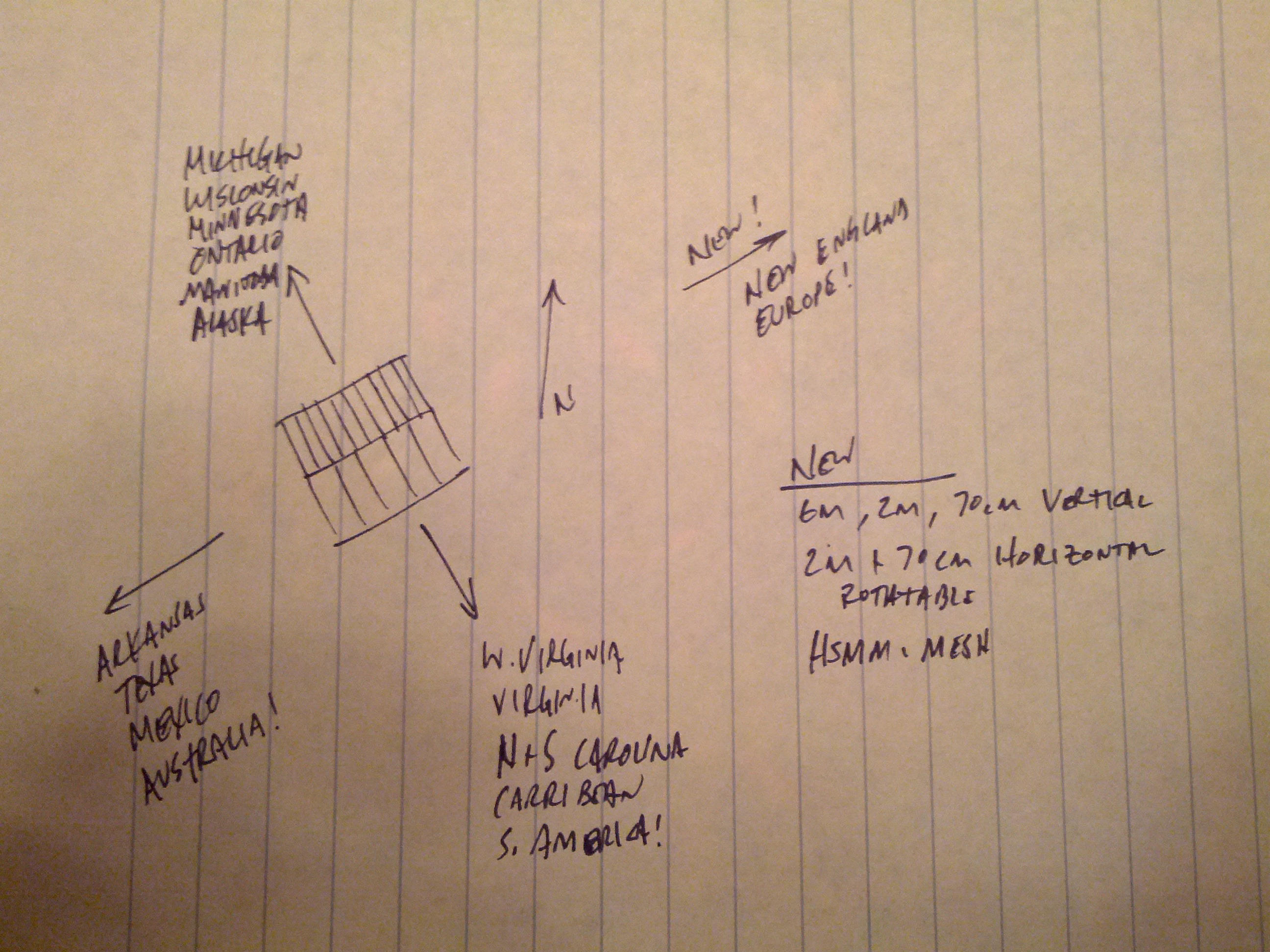
The diagram isn’t exact, and I haven’t compared my logbook to where I think my dipole hits well, but it’s close enough.
-73-
There was a conversation going on via Twitter related to learning CW. I saved all of these to Evernote and came back and added them via Storify. Twitter doesn’t have a great way to save these for the future, so hopefully being published in a Storify Story will keep these golden nuggets of advice around for a long, long, long time.
A note on the last one – it doesn’t look like CW advice, but it most certainly is. It is actually a little bit more, but it is well within the subject of this blog post.
Me? I’m currently sitting at being able to do around half the alphabet. I’ve been extremely busy for the entire month and haven’t even had much of a chance to open the lid of the laptop except to prepare for a class I teach at the University of Cincinnati. Things are starting to die down and fall into place now, so hopefully I can get some time to sit down and bring up lcwo.net.
Have any additional advice? Leave it in the comments below!
-73-
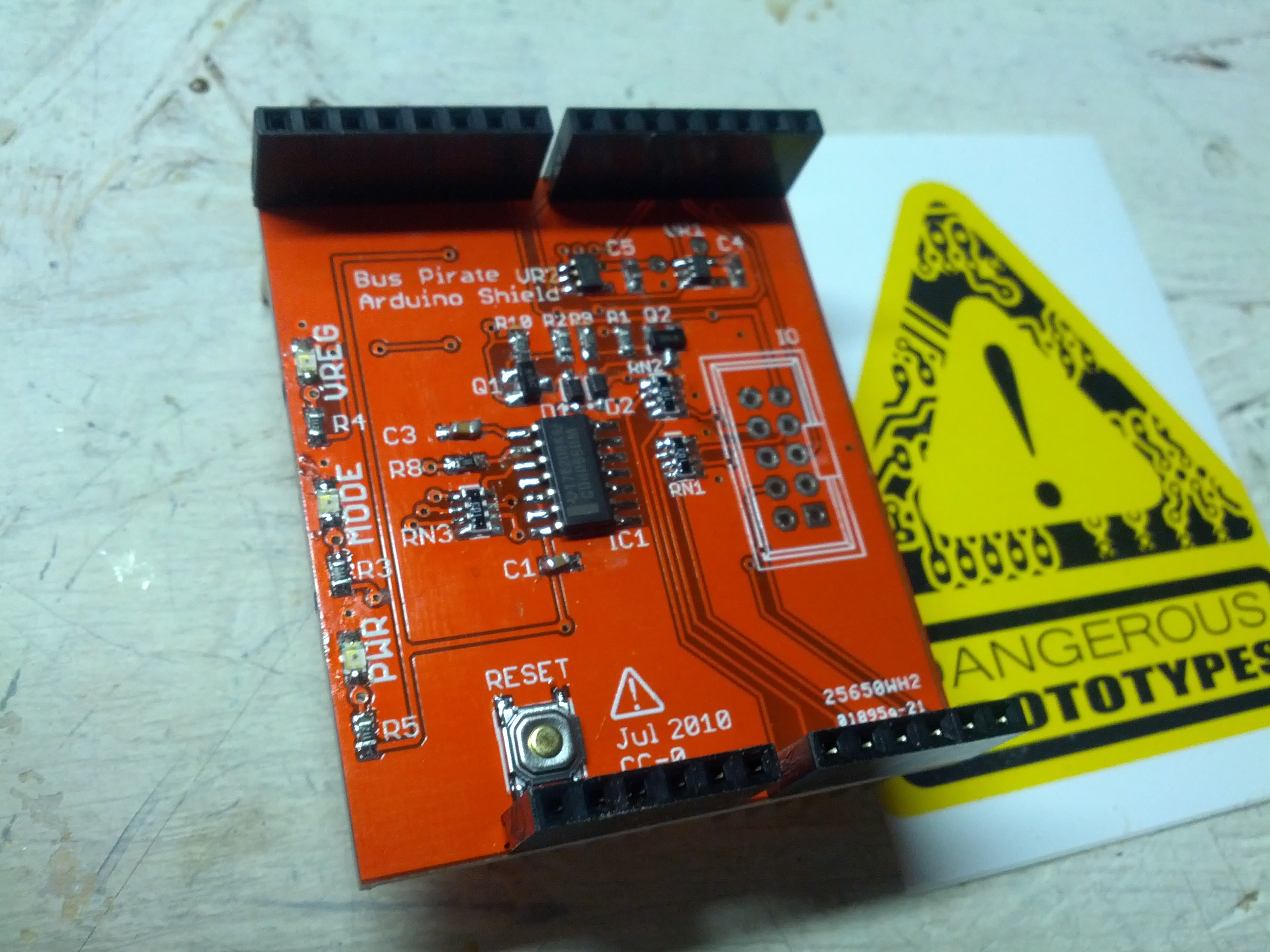
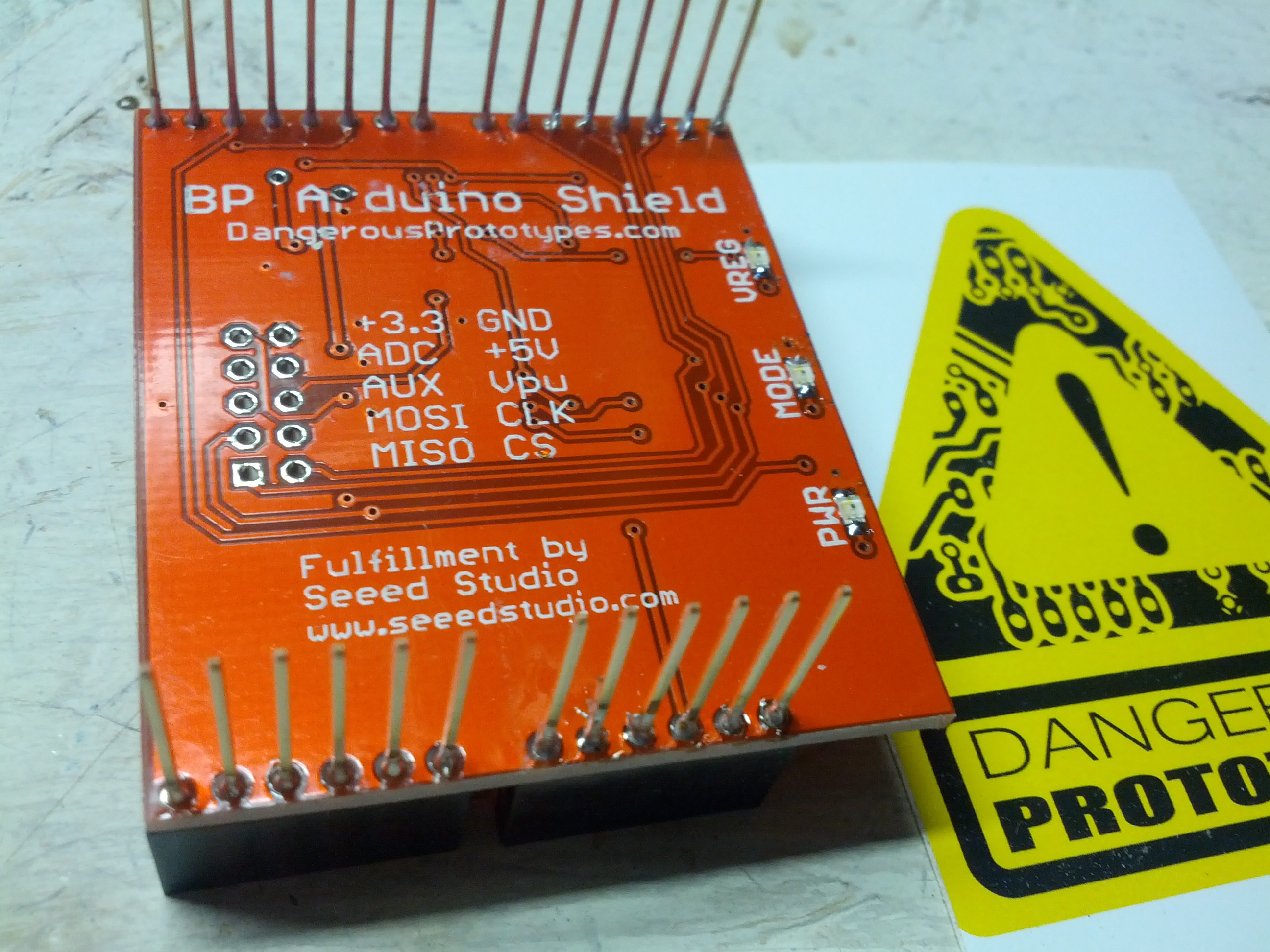
A few months ago I had the luck of winning a free PCB from Dangerous Prototypes via twitter. I finally got around to building it. Below are some pictures of the build. Please no comments on my soldering skills – I’m still a novice at SMD components. This is the second kit I’ve done with SMD components, and the other was only a handful of SMDs and mostly through-hole.
There is one part missing – I didn’t install the connector for the test leads. I forgot to buy it when I bought the rest of the components (and it wasn’t actually the only thing I forgot).
-
- The top of the board
-
- The bottom of the board
-
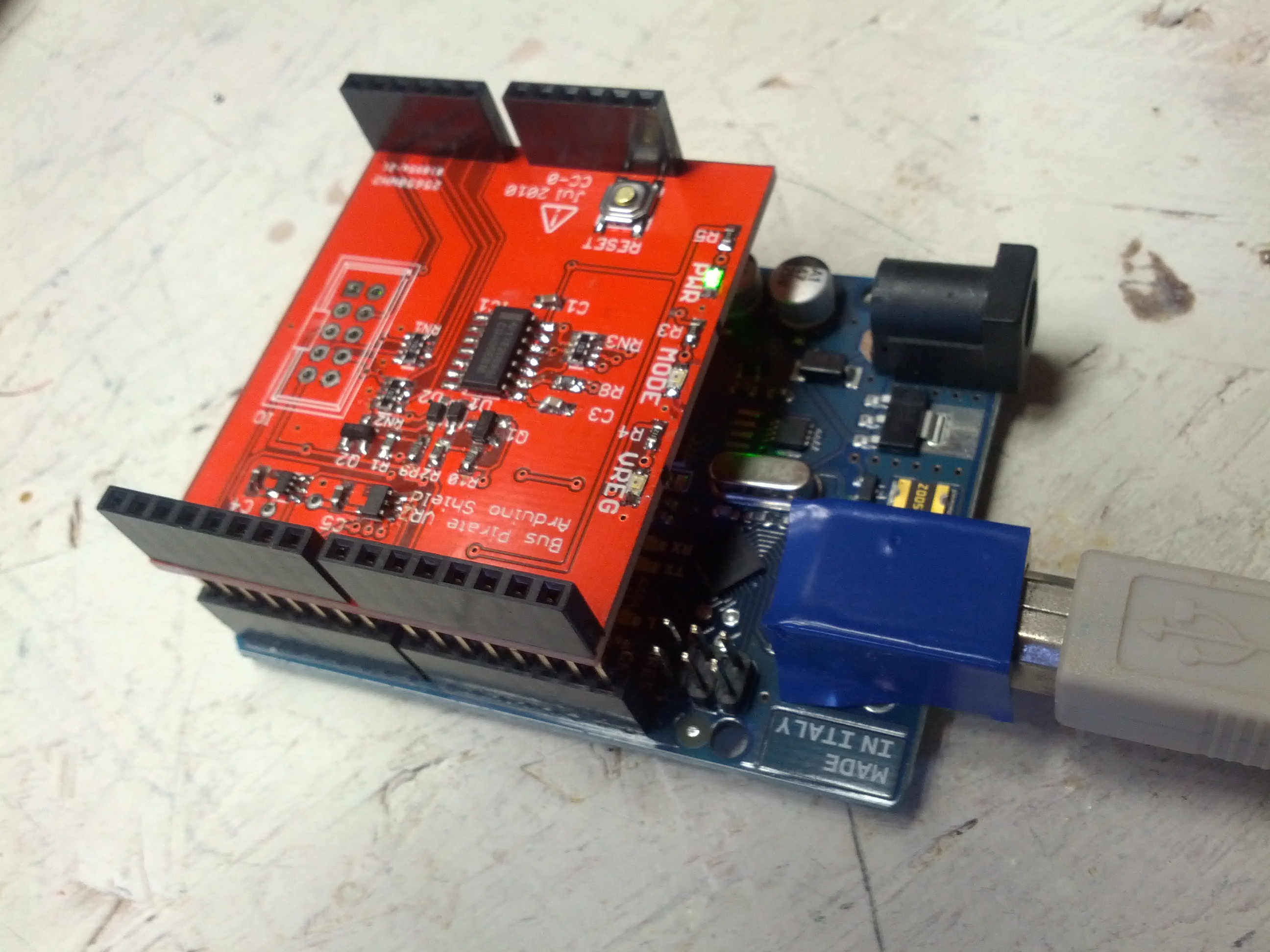
- The top while attached to an Uno. I did use different LED colors (green for power, and yellow for mode and voltage regulation).
This was a fun build, but it did underscore my need for a new soldering iron for SMD items and a new tip for my general purpose soldering iron (which is really too hot for SMD, but so far I haven’t burned anything up).
Now all I need to do is figure out how to use this thing! 🙂
-73-
At the time of writing, I’m in DC. I ran into a little problem that created another little problem.
The First Problem: My Cell Phone’s Battery Life
I’m not really sure I need to type anything here. Many phones don’t last a full day anymore. Mine included. Because of that, I decided to buy a rechargeable battery (like a Minty Boost, only less cool because of the Duragizer® logo.
The Second Problem: Blister Pack
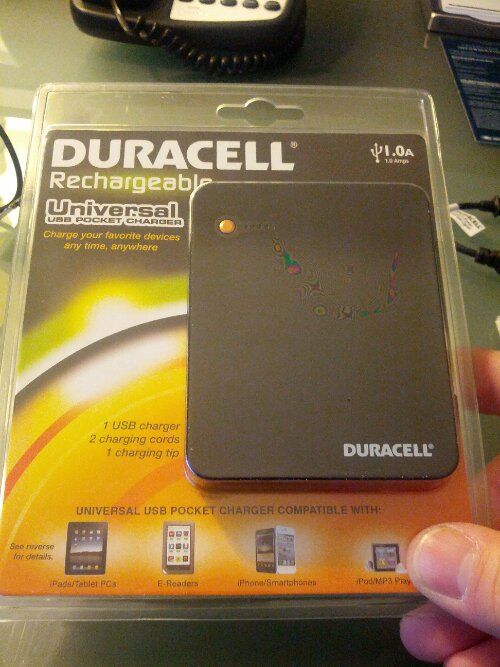
Not wanting to wait an instant on getting this little thing charged, I got back in the room and realized that since I flew here with no checked baggage, I have nothing to open this with. Nothing except an inkpen and a Maguiver attitude.
I used the pen like I was trying to kill the back side of the blister pack, which is so unlike the calm slicing I would normally do with my pocket knife.
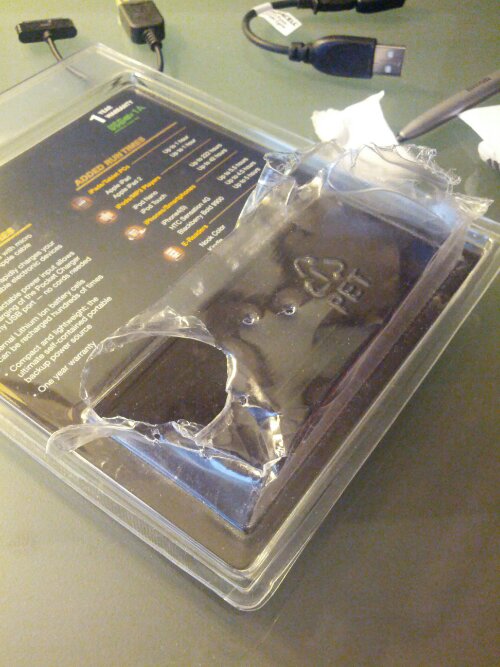
So after a few stabs, I started to notice that the pen was giving it’s all. It had, with me at the hand, decided that some plastic was not going to stop it.

At first, it just showed around it’s tip. But it wanted to press on. It was NOT going to give up. I thought I heard it say “Live free or die!” as I stabbed two more times. With a crack, I realized the pen had given all it has to give.
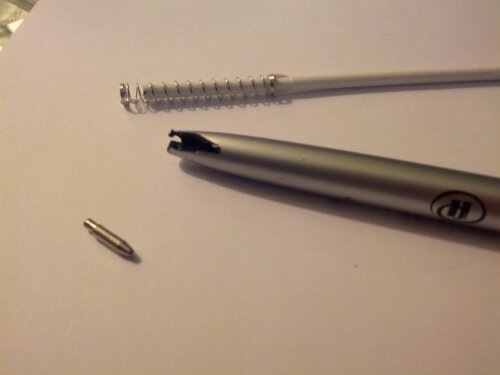
All was not lost, however, the last stab that took the pen’s life… er… tip was a critical hit to the blister pack.
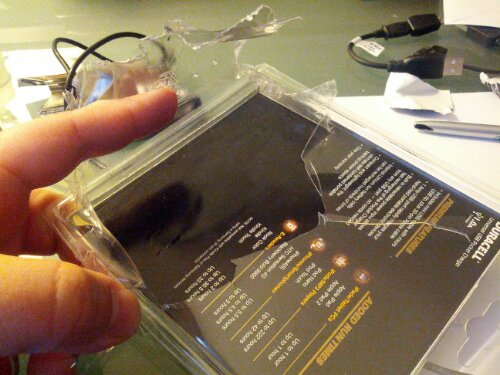
It was up to me – my own bare hands – to finish the job. And finish, I did.
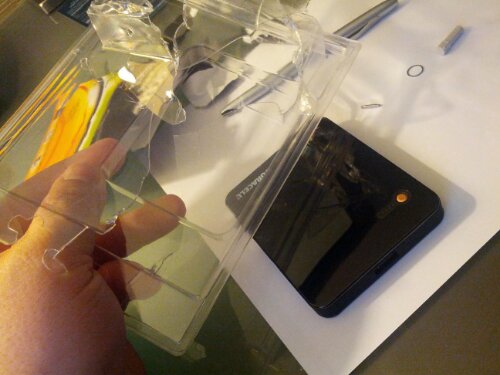
Goodbye Washington Hilton pen. Goodbye. Until we meet again at the writing desk in heaven.
This was posted from my phone. As such, the formatting and spelling may be a little off. Also, this was meant to be funny. I’m an engineer, not a comedian, so it very well may be boring. But the part about me hearing the pen, that was fake. The rest of this is real.
I didn’t do so hot on my goals for 2012. I lost a lot of time due to blowing up my rig, family stuff, vehicle repairs, and several other things going on. That being said, 2013 isn’t going to be better in that regard – I’m taking up a second job for at least 66% of the year (as an adjunct professor), and I expect as many things to come up as last year.
So here it is…
- Learn CW well enough to casually contest.
- I’m not going to hide it. I enjoy casually contesting. I would like to be able to do some contests in CW because of more points, CW-only contests, and possibly eventually getting into QRP contesting.
- Work a VHF contest this year
- I really want to burn up 6m, 2m, and 70cm. My IC-706 will do those bands, and antennas are smaller and easier to deal with. I’m going to be looking at Dayton for antenna-related equipment because I may try to go to a much higher point than where I live.
- The way things look for my January (the absolute busiest month for me), this will likely be the CQ summer VHF contest or the ARRL summer VHF contest.
- Participate in more contests this year
- This past year, I only participated in NAQP-RTTY, Field Day, Ohio State Parks on the Air, and the ARRL 10m Contest (and my participation in the ARRL 10m Contest was not much – 2 QSOs). I want to hit several more, including the Ohio QSO party, more of the NAQPs, and some of the CQ contests.
- I’ve never run a frequency in a contest. I want to change that this year as part of running in some additional contests.
- Operate more!
- I haven’t been on the air as much as I’d like to have been. I need to change that.
Eventually, I want to get into QRP operations, so I’m going to try to not spend anything this year (or spend very little) and ultimately buy an FT-817, IC-703, or KX3. I don’t expect to buy this year (unless I get a damn good raise, a bonus, one hell of a tax refund, and the pay for an adjunct professor is far greater than what I expect. Also, of those 3, only the 817 does 2m and 70cm. If I really enjoy VHF contesting, my decision would likely go for the FT-817 unless the KX3 adds a 2m/70cm module (and even still, the KX3 is far more expensive than the FT-817, and that will be a factor as well).
Hope y’all have a happy new year as well!
Some of us in the Cincinnati area (well, so far, we’re all on the east side, but hopefully we’ll get some more in the area) have decided to learn CW. We’re going to start a net (of sorts) to help get us rolling. We don’t know exactly where on the bands, but probably in the Tech voice portion of 10 meters in the evenings or somewhere on 2 meters. Yes, I know it says “SSB Only” on the 10 meter band plan for techs, but CW is one sideband and a suppressed carrier! This allows us to be able to talk and send.
Right now, there are three of us involved, one general and two extras. If you happen to live in the Cincinnati area and want to get involved, please jump over to the TriStateHams website and answer the poll.
If you follow me on Twitter (@KE8P) or Google+, you may have already seen my ‘redneck code practice oscillator’ video, but if you haven’t…
hihi…
-73-
This is a post of semi-random electronic carnage.
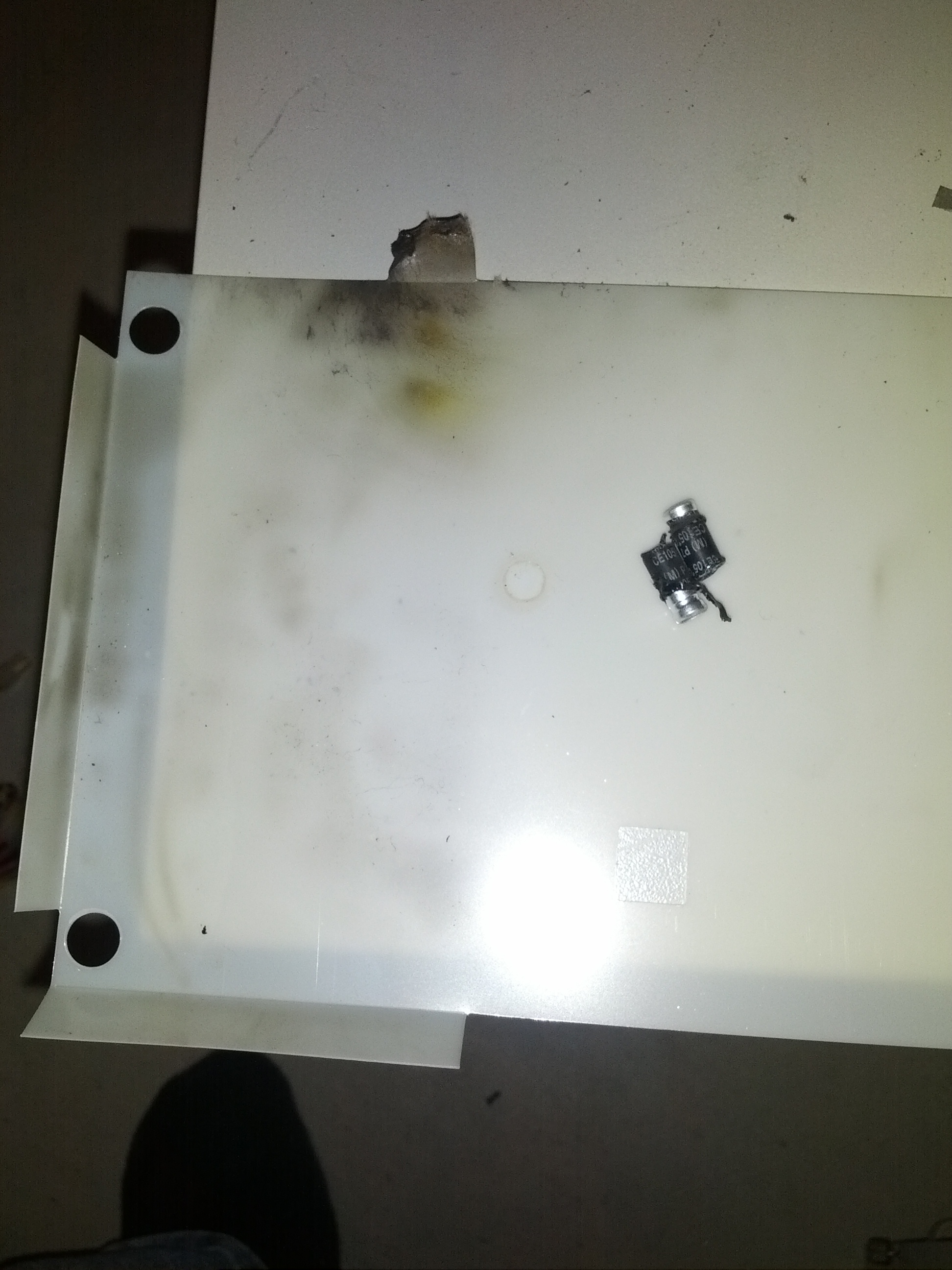
This is some plastic that went between the metal case and the circuit board. The two things sitting on it are capacitors. It appears they went off like bottle rockets.
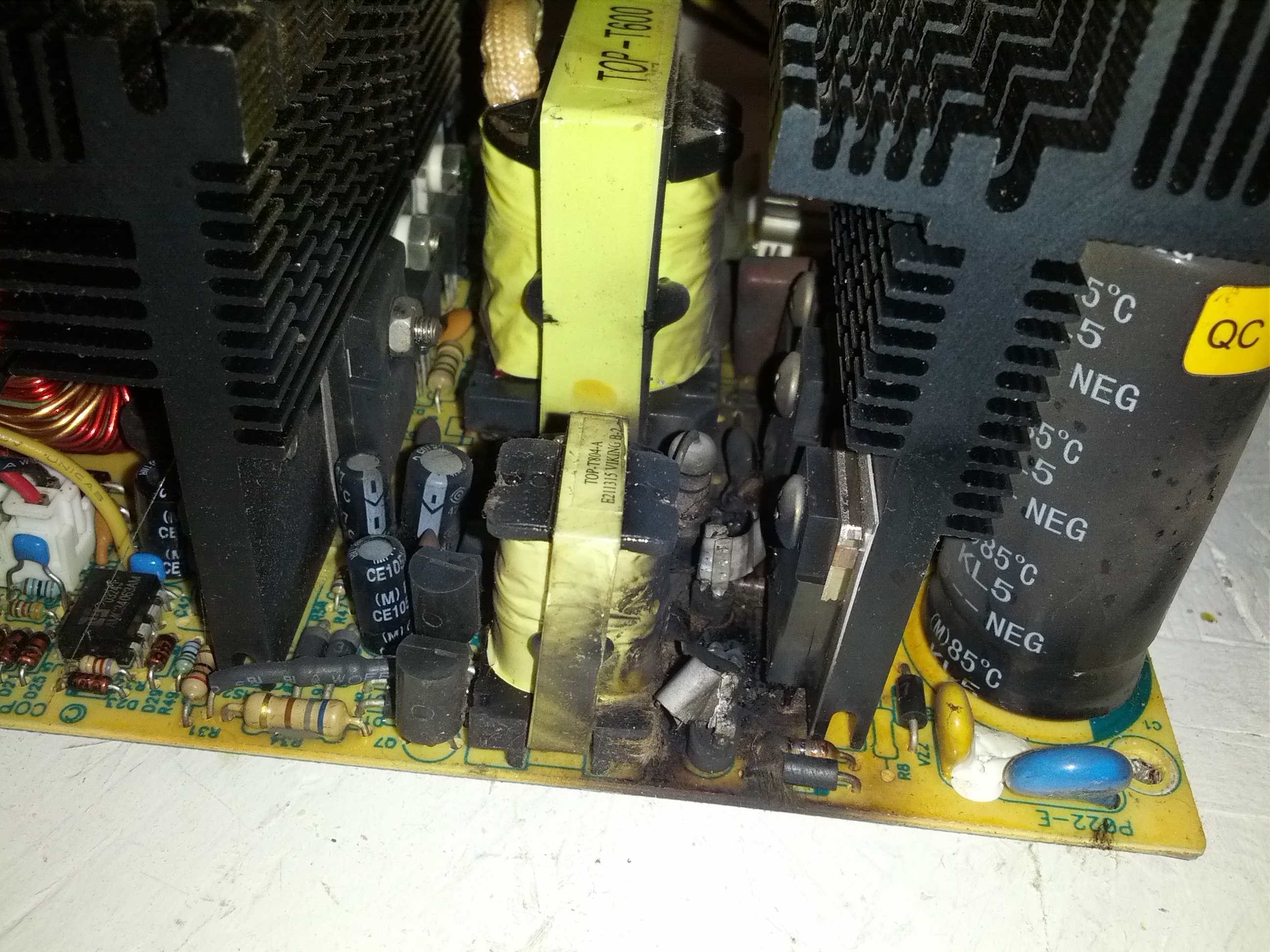
The high-voltage area of the power supply. This is where the failure occurred. Note the charring.
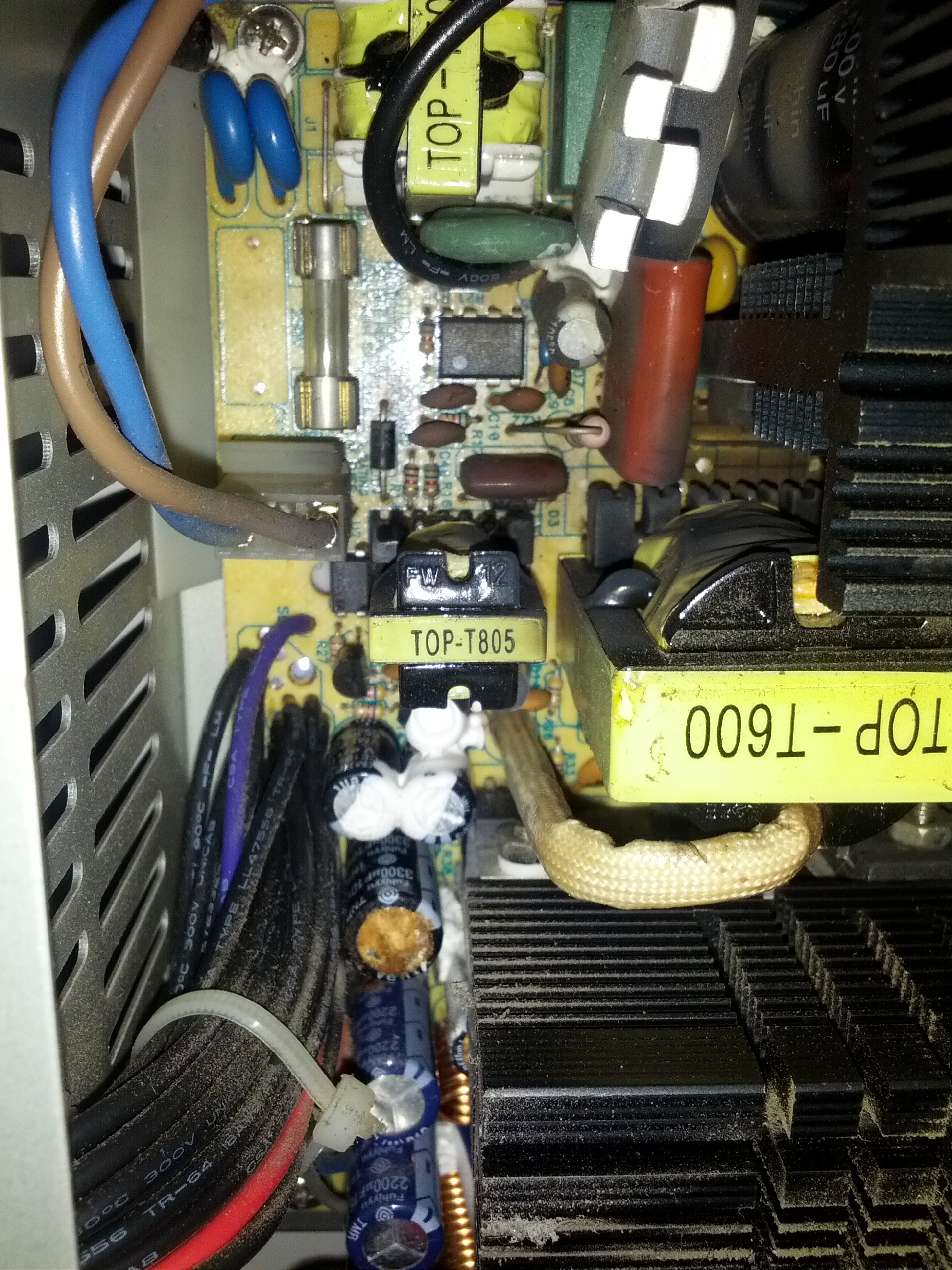
This is the top of the power supply. Some of the caps are definitely exploded.
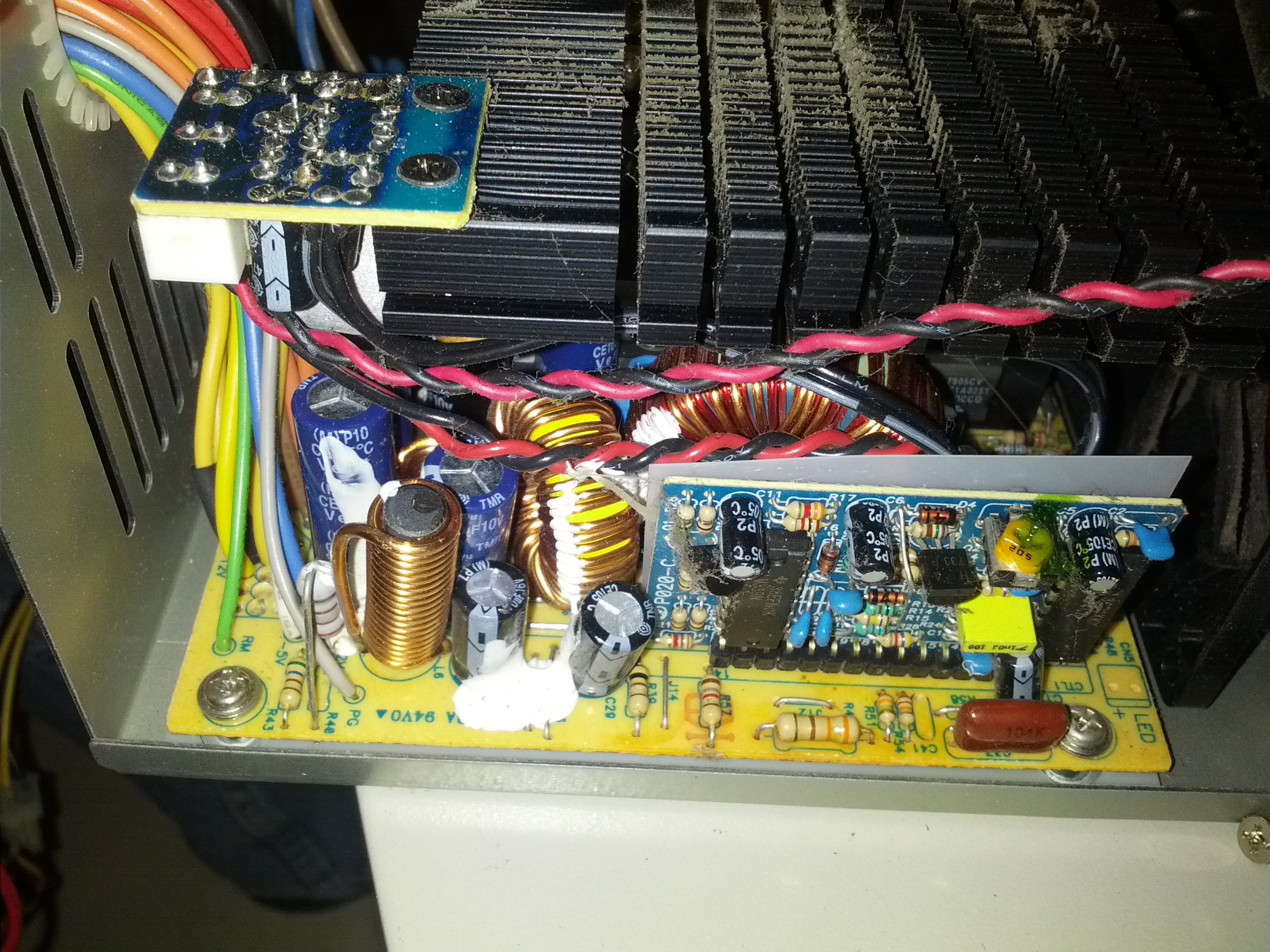
This is the low voltage area of the power supply. There isn’t much visible damage here.
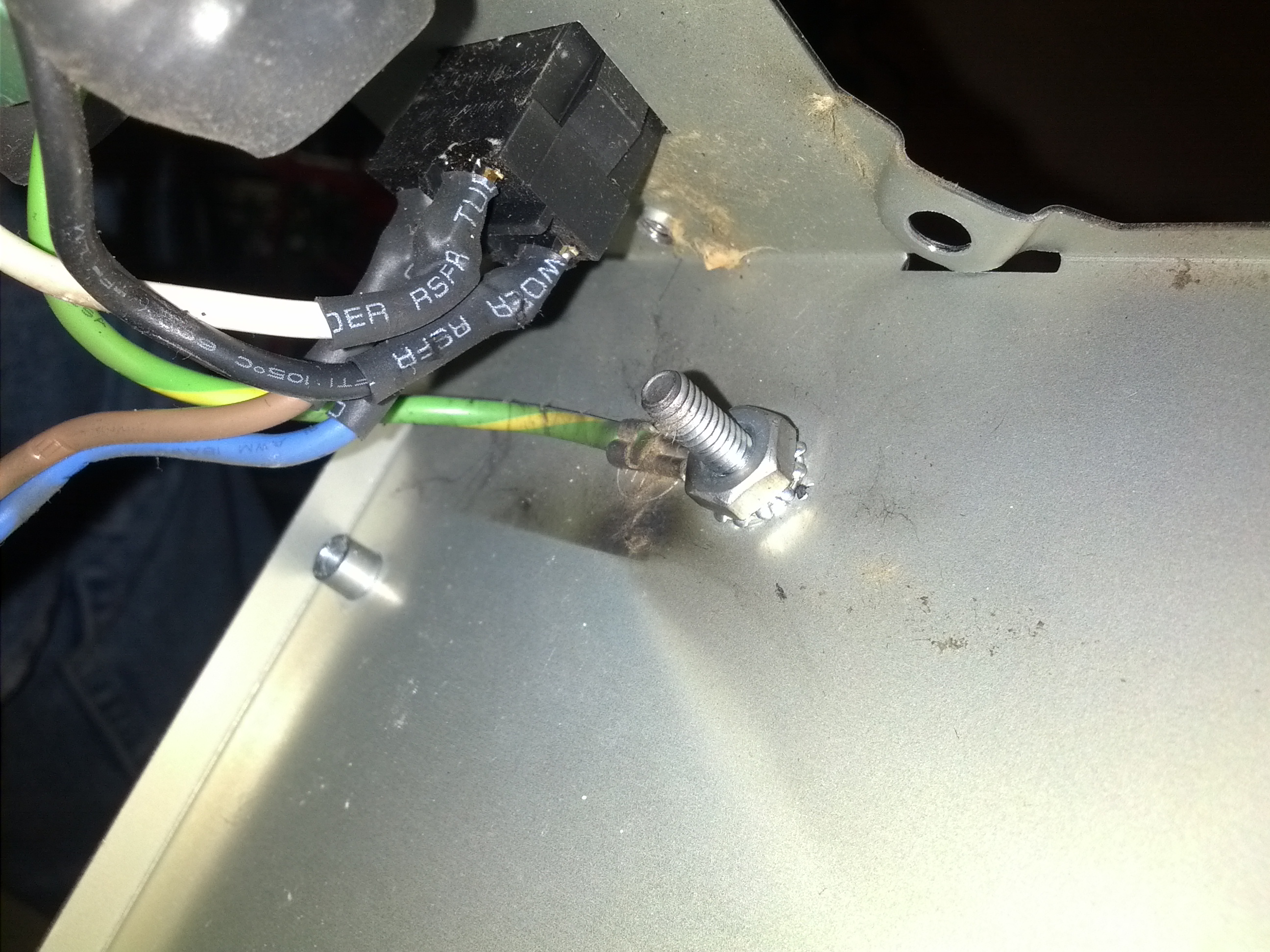
This is the grounding bolt. Note the burn marks.
-73-

